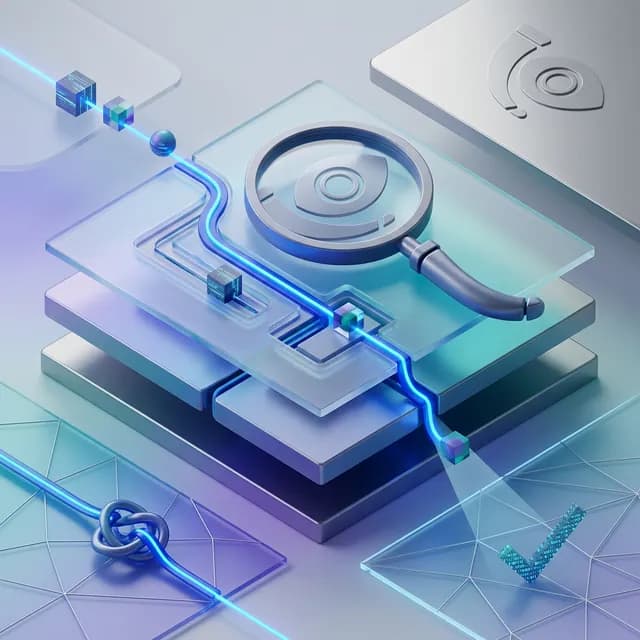
Wie man DNS SERVFAIL-Fehler behebt
SERVFAIL bedeutet, die Auflösungskette ist gebrochen. Lernen Sie, wie man DNSSEC-Fehler und lahme Delegierungen sofort behebt.
Mar 8
1 Min. Lesezeit

Verstehen Sie, wie DNS- und Netzwerkprobleme Anwendungen lautlos unterbrechen können, und wie Sie diese Fehler mit der richtigen Überwachung erkennen.
SERVFAIL bedeutet, die Auflösungskette ist gebrochen. Lernen Sie, wie man DNSSEC-Fehler und lahme Delegierungen sofort behebt.
Vertrauen Sie nicht auf interne Metriken bei externen Ausfällen. Lernen Sie die Prinzipien der Outside-In DNS-Überwachung.


Eine zu hohe TTL kann 24-Stunden-Ausfälle verursachen. Eine zu niedrige kann Nameserver überlasten. Lernen Sie TTL-Best-Practices.

SERVFAIL ist der gefürchtetste DNS-Fehler. Erfahren Sie, was ihn verursacht, wie DNSSEC ihn auslöst und wie man ihn debuggt.