Downtime in modern web applications is rarely caused by a single failure. In practice, outages usually happen because multiple small issues align across multiple layers.

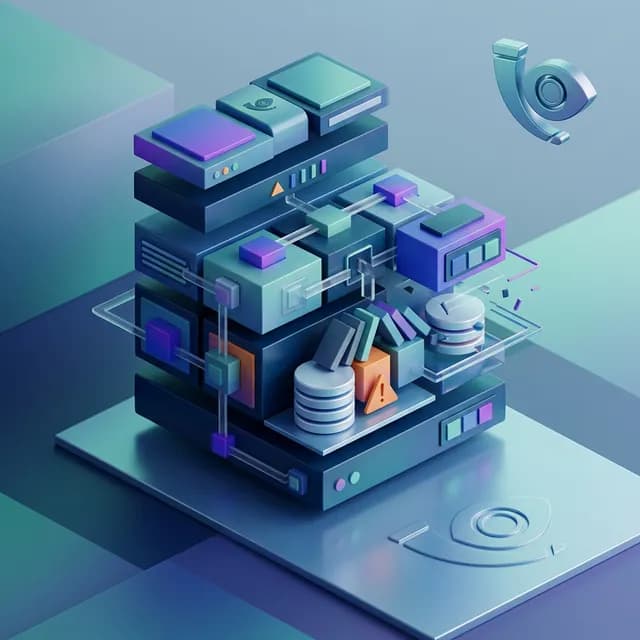
Downtime in modern web applications is rarely the result of a single catastrophic failure.
In practice, outages usually happen because multiple small issues align — often in places teams don't actively monitor.
When an application becomes unavailable, servers are often blamed first.
In most real incidents, servers are still running.
DNS issues are one of the most overlooked sources of downtime.
Everything may appear healthy internally while users cannot resolve the domain.
When a certificate expires, browsers immediately block access.
These incidents are simple to prevent but still happen frequently.
Third-party services introduce failure points outside your control.
Authentication providers, payment gateways, and APIs can all fail independently.
Most outages are not mysterious.
They happen where teams assume things will continue working.
Effective monitoring focuses on the entire delivery path, not just servers.
We built Heimdall Observer to detect exactly these reliability, DNS, SSL and performance issues — before users notice them.

Senior Systems Reliability Engineer focused on uptime, incident response, and building monitoring systems that surface problems before users notice.
Schließen Sie sich Tausenden von Teams an, die sich darauf verlassen, dass Heimdall ihre Websites und APIs rund um die Uhr online hält. Starten Sie noch heute mit unserem kostenlosen Plan.
Kostenlos mit der Überwachung beginnen